
UX Writer | Concept work*

Improving the Readability of Patient Portals
Helping users understand how to make the most of online personal health records

Overview
The recommended readability level for health information is grade 6 or below. Often, however, health information is presented at a grade 10 or higher reading level. Many patients can now access their health records through an online patient portal. Because it is somewhere people go to manage their health information and interact with their provider, it is worth extending the readability recommendation to the patient portal experience.
UW Medicine / Fred Hutch uses MyChart by Epic to let patients manage their records, connect with providers, pay bills, and find the next action steps in their health plan. While some instructions, explanations, and other segments of copy are already within the readability recommendation, there is still room for improvement overall.
The emerging popularity of AI writing tools can make this process easier. It’s not perfect for complete re-writes of all patient portal excerpts. Despite its limitations, it can still offer offer valuable suggestions for how to break concepts down into simpler terms to understand.
Goal
Improve the readability score of key excerpts in a patient portal applications to the information more understandable and actionable for a more patients.
Results
The benefit to the patient is clarity, leading to better comprehension and higher confidence. The simplified language may demystify how to understand their patient portal and make the best use of it.
The benefit for the business is the cost-savings. They might see a(n):
- decrease in patient support tickets related to comprehension of information in the patient portal
- increase in patients completing tasks available to them in their patient portal (instead of at an in-person at a clinic or over the phone with a patient support representative)
Also, using readability analyzers and language AI tools to benchmark the current iteration can reduce the up-front investment in identifying, prioritizing, and fixing copy problems. This means maximizing product team time and financial resources.
Implementation
The influence of specialized terminology from healthcare, business, digital, and legal made it difficult to bring down the copy to the recommended reading level. But identifying why certain phrases were used helped me understand what could be simplified.
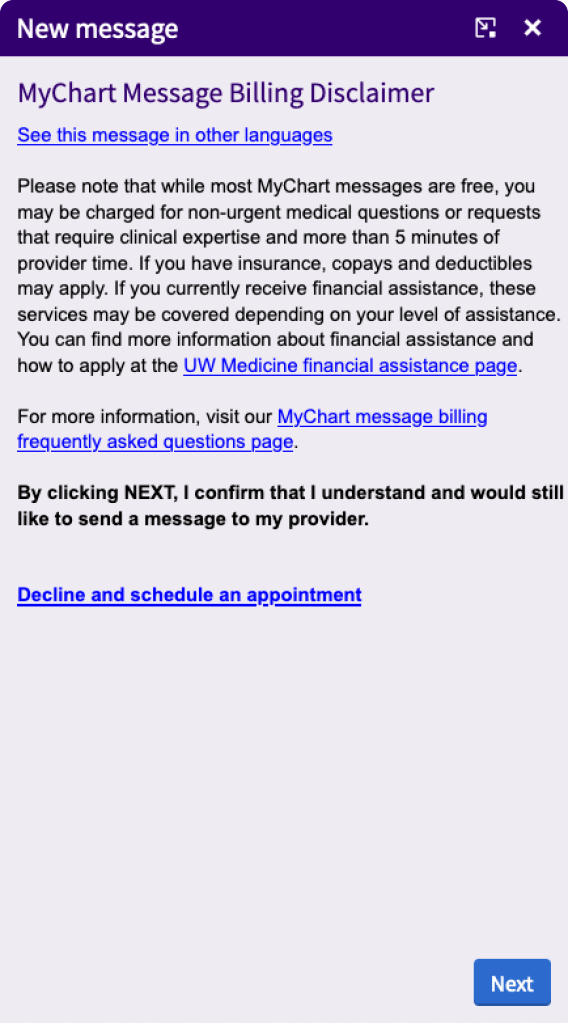
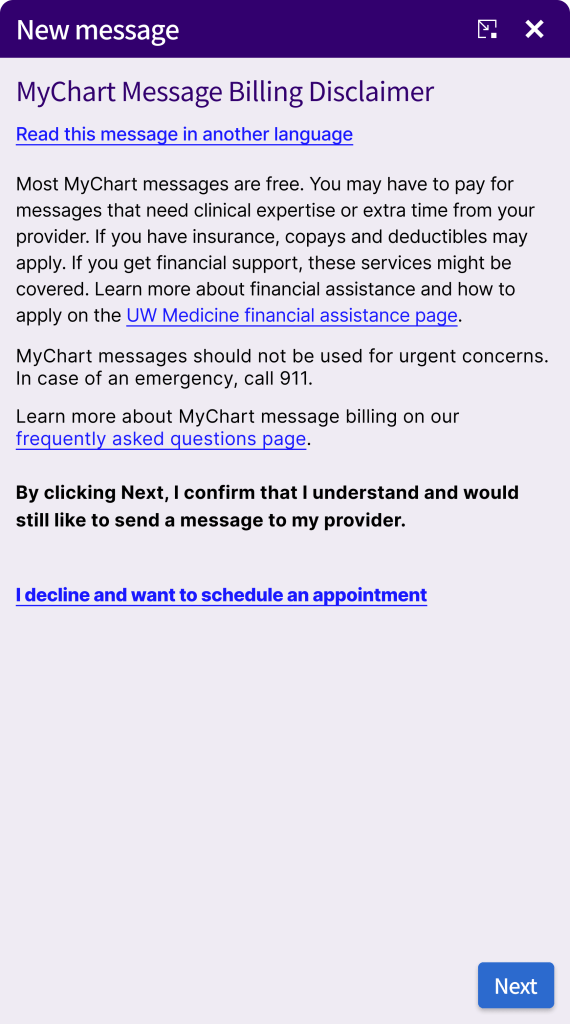
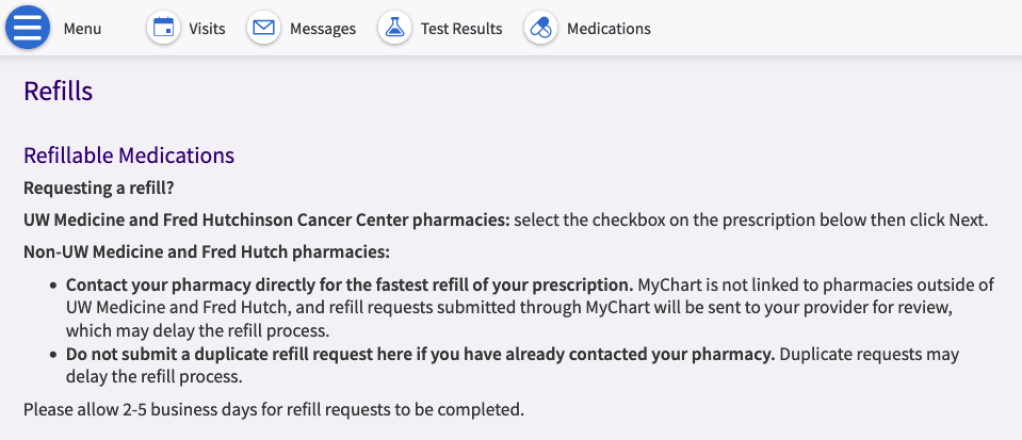
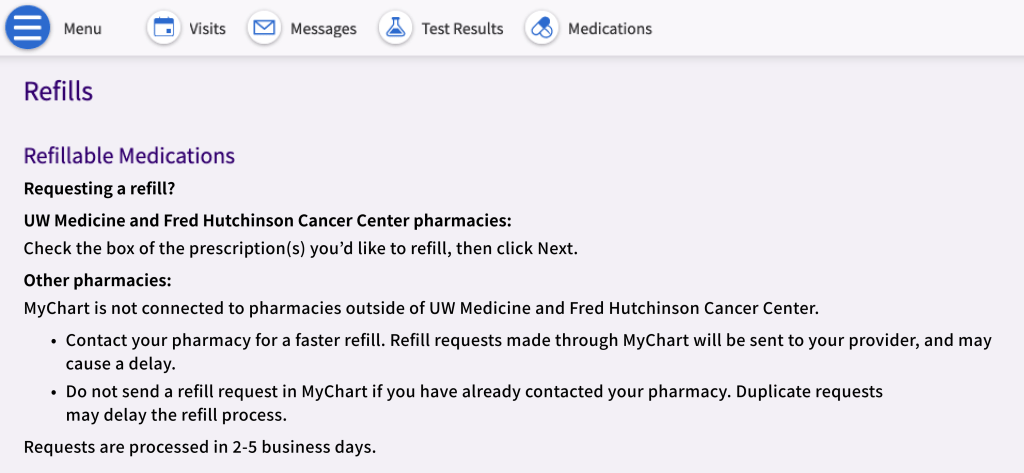
I was able to bring a selection of excerpts from a grade 10 or higher reading level to a grade 7 or below. See the before and afters in the examples below.
Disclaimer for billing messages sent in the portal:
Before
Readability: grade 10
After
Readability: grade 7
Instructions for online prescription refills
Before
Readability: grade 10
After
Readability: grade 7
Information message about billing information
Before
Readability: grade 11
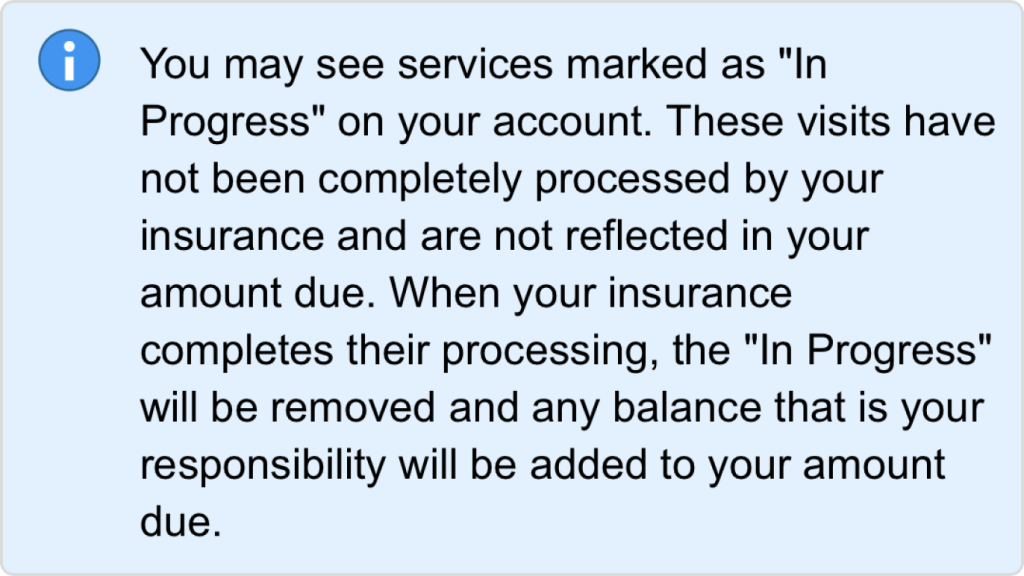
After
Readability: grade 7

InfoTip about insurance claims related to billing balance
Before
Readability: grade 12

After
Readability: grade 6

Overview of preventive care
Before
Readability: grade 10

After
Readability: grade 7

Overview of proxy access
Before
Readability: grade 13
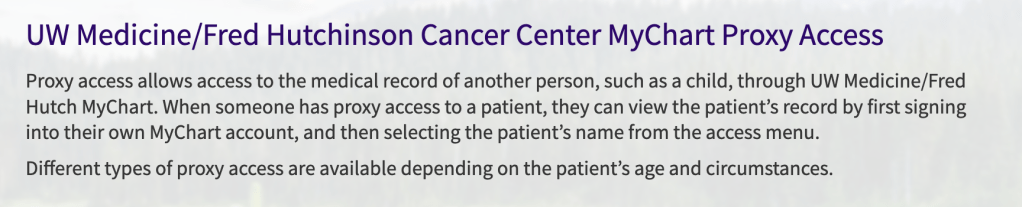
After
Readability: grade 7

(psst… I wrote a blog post about what I learned using AI in this project!)
*Disclaimer
I am in no way affiliated with or have completed work for MyChart, its parent company Epic, or for UW Medicine/Fred Hutchinson Cancer Center. This is only to serve as a speculation of the impact of changes to the user experience. It does not reflect the constraints and limitations of the designers working on this product.
 Evy Haan | Content Designer & UX Writer